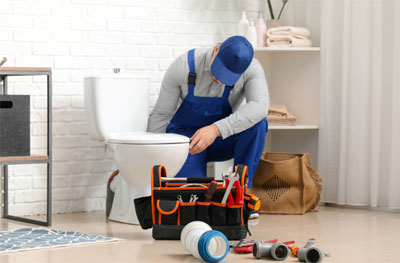
Plumber visit preparation Annapolis MD homeowners complete should make a service assessment easier without turning the homeowner into a technician. The useful work is simple: document the concern, make a safe path to the affected area, gather records, and share access details. You do not need to diagnose the cause, remove a fixture, or choose a repair before a professional can help.
This checklist is for a stable concern that can safely wait for a scheduled visit. Active water, wastewater backup, water near electrical equipment, a burning smell, or another immediate property risk requires prompt qualified or emergency guidance. Do not use a routine appointment checklist as a substitute for safety action.
Start with a factual timeline
Write down what changed, where it was noticed, and when it first appeared. Describe the fixture, appliance, room, or equipment area in plain language. Note whether the condition is constant, intermittent, active, or unchanged. A statement such as “the kitchen fixture has drained slowly for three days” is useful. A statement such as “the main line has failed” is a conclusion that needs an assessment.
Include other observations that happened around the same time, such as visible moisture, an unusual sound, a temperature change, or a change in normal fixture behavior. These details may matter, but they do not establish a cause. The technician can decide what is relevant after reviewing the actual plumbing and equipment.
If photos or a short video were taken safely, keep them available. Do not create new photos by entering a wet area, touching hot equipment, removing a cover, or reaching near electrical connections.
Make access safe and practical
Clear ordinary items from the route to the concern if you can do so safely. Move boxes, laundry, small furniture, or household supplies that block access to a sink cabinet, a visible pipe, or a utility area. Do not move belongings through standing water, around electrical equipment, or beside an appliance that may be hot.
If the concern involves a water heater, do not open panels or adjust controls to make the visit easier. The Department of Energy’s water-heating guidance emphasizes that care depends on the specific unit and manufacturer instructions. A clear path is helpful; servicing equipment yourself is not required.
Tell the scheduler about pets, gates, parking limits, stairs, a locked room, or other access details. Those facts help the service team arrive prepared and avoid a preventable delay.
Gather records without guessing
Bring any prior plumbing invoices, equipment manuals, warranty papers, remodel dates, or service notes that are easy to locate. A previous repair can provide context, but it does not prove the current concern is the same issue. If a date, model number, or service history is unknown, say so rather than estimating it.
For water-heater or filtration equipment, an exterior model label that is already visible may be useful. Do not disconnect equipment, remove housings, or move appliances to find information. A technician can identify details that are not safely accessible to the household.
Keep all of this material in one place before the appointment. A short list of facts and records is more useful than a long collection of online theories about what the problem might be.
Tell household members what to avoid
Once the visit is scheduled, let the household know which area is awaiting service. Ask people not to use an affected fixture heavily, add chemical products, force an unfamiliar valve, or attempt a repair from a video. Several well-meaning attempts can change the condition and make a safe assessment harder.
Do not combine products in a drain, reset unfamiliar equipment, or alter a safety-related component. If someone has already used a product or changed equipment, make a note of what happened and share it with the plumber. That is important safety information, not an error to hide.
For a rental property, tenants should report the facts to the property contact rather than dismantling plumbing or authorizing a repair based on a presumed cause.
Prepare questions for the assessment
Write down the questions you want answered before the appointment begins. Ask what was observed, what supports the recommended next step, what work was performed, and what signs should prompt another call. If a maintenance, repair, or further evaluation is proposed, ask what property-specific condition that action is intended to address.
It is also useful to ask what a homeowner should avoid changing. This gives the household a clear boundary around unfamiliar valves, water-heater controls, and filtration equipment. A service visit should leave the homeowner with a better record and a clearer next step, not a broad promise that every future problem is solved.
Keep answers in plain language. A note about the observed condition, the recommendation, and any follow-up is easier to use later than a vague memory of technical terms.
Update the service team if conditions change
If a stable concern becomes active water, wastewater backup, an electrical concern, or another immediate risk before the appointment, contact the service team promptly. Describe the change without trying to decide what failed. Do not wait to give the update in person if the condition may need faster attention.
Likewise, tell the plumber if a product was used, a component was adjusted, or another household member tried a remedy after the original call. The service team needs accurate facts to evaluate the property safely.
For an urgent condition, use the Heidler Plumbing contact page and lead with the visible safety concern. Keep people away from wet electrical areas and follow any professional or emergency instructions.
Make the handoff at the door simple
When the plumber arrives, begin with the timeline, the location of the concern, and any records you gathered. Point out safe visible changes, then let the technician inspect the system without an expectation that an online theory must be confirmed. Facts are more helpful than a diagnosis: what changed, when it changed, what was tried, and whether the condition is active.
If the concern involves hot-water performance, provide the water-heater record and ask about the appropriate water-heater service options. If the concern involves treatment equipment, keep the model and service history available. The actual equipment and property conditions should guide the recommendation.
Avoid trying to reproduce an intermittent concern by forcing an appliance or fixture to misbehave. The technician can advise on any property-specific test that is appropriate.
Save the outcome for the next time
Before the visit ends, ask what should be kept in the home-service record. Include the date, work performed, confirmed equipment information, and any follow-up recommendation. If more than one person manages the property, share the summary with them.
This record can prevent duplicate calls and help a future service conversation begin with the right history. It should not be used to apply an old answer automatically to a new condition. Homes, equipment, and symptoms can change.
For a property manager, provide a factual summary of what was observed and what the technician recommended. That creates a clear handoff without asking a tenant to make technical decisions.
The practical next step in Annapolis
Plumber visit preparation Annapolis MD homeowners use should rely on facts, safe access, and a clear service conversation. Document the concern, gather records without guessing, and avoid changing unfamiliar equipment before the assessment. The right next step should match the actual home and plumbing condition.
Contact Heidler Plumbing for a stable plumbing, water-heater, or water-filtration concern that needs review. If the condition is active or unsafe, seek prompt guidance and make safety the first priority.
