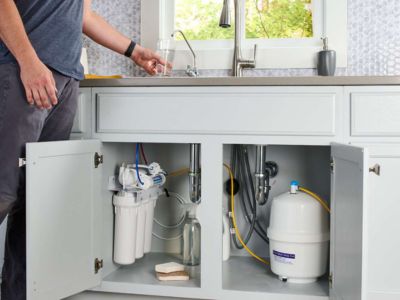
A water filtration consultation Annapolis MD homeowner schedules is most useful when it begins with the actual household question. A taste, odor, visible residue, a concern at one fixture, or a desire to understand an installed system can all lead to a different conversation. One device is not automatically right for every property, and an observation alone cannot identify a contaminant, confirm water safety, or select a treatment method.
This article helps homeowners prepare facts and questions for a consultation with Heidler Plumbing. It does not promise that a product removes a specific substance, prescribe a universal system, or tell readers to change equipment without instructions for the model they own. A property-specific review should match the treatment goal, installed plumbing, capacity, and maintenance needs.
Define the question before naming a product
Start with what you are trying to understand. Is the concern limited to drinking or cooking water at one location? Does it seem to involve more than one fixture? Is there an existing treatment device, a prior recommendation, or a documented test result? Write down the facts without assigning a cause.
For example, “the concern is most noticeable at the kitchen tap” is useful. “The home needs a whole-house system” is a conclusion that may or may not fit the property. The location of the concern, normal household use, available space, and the equipment already installed can all affect what should be evaluated.
Do not assume that taste, odor, or appearance alone identifies a substance or tells you which treatment is appropriate. A consultation should make the question clearer before it attempts to answer it.
Gather records that describe the property
Bring any available information about current or previous equipment. This can include model numbers, manuals, installation paperwork, service records, warranty details, and prior testing documentation. If a document is missing, write down that it is unavailable rather than estimating what it said.
If the home already has a filter or treatment system, note where it is installed and whether there have been visible changes, service reminders, or prior maintenance. Do not remove a housing, bypass equipment, disconnect tubing, or force an unfamiliar valve to learn more. A technician can evaluate equipment that cannot be safely accessed by a homeowner.
The EPA’s home water treatment guide explains that selection depends on the treatment goal, system capacity, certification, and manufacturer maintenance instructions. Those details are a better foundation than a broad promise on a product label.
Separate observations from water-quality conclusions
Write down when the concern began, where it occurs, whether it is consistent, and whether anything changed around the same time. A concise note can include a changed taste, a visible condition at equipment, or a difference in normal water use. It should not declare the source of the issue or make a health claim from one observation.
If a test result is available, bring the original record. Do not summarize it from memory or assume an older result applies to a new condition. If testing is discussed during the consultation, ask what question it is intended to answer and how the result would affect the treatment discussion.
This approach keeps the conversation grounded in verifiable information. It also avoids the common mistake of treating water appearance as proof that a particular filter, softener, or other product is required.
Ask about treatment scope and limits
One of the most helpful questions is where a proposed system would apply. Some equipment may be considered for a particular point of use, while other equipment may be considered for water entering more of the home. Placement is only one part of the decision. Access, household demand, existing plumbing, maintenance, and the documented goal also matter.
Ask the professional to explain what the proposed equipment is intended to address, what it is not intended to address, and what information supports that scope. Do not ask for a promise that one setup will solve every water concern or leave water flow unchanged in every situation. Those results can depend on the actual system, configuration, condition, and property use.
Heidler Plumbing can review water-filtration systems in Annapolis, MD with the property details and treatment goal in view. A good recommendation should be specific about both its purpose and its limits.
Make maintenance part of the initial conversation
Every installed treatment system needs a service plan that fits its components and manufacturer guidance. Ask what records should be kept, what access is needed for service, and what changes should prompt a follow-up call. Do not use a universal replacement interval copied from another household or product.
Keep the model information and service record together after the consultation. If the household later notices a flow change, visible moisture, or another concern, those records give the service team useful context. They do not prove a cause, but they make an assessment more efficient.
Avoid changing components just to see whether a symptom improves. An installed system can have model-specific requirements, and an improvised change can create a leak or obscure the condition that needs review.
Prepare the access details that matter
Let the service coordinator know where the equipment or primary concern is located. Mention a crawlspace, a locked utility area, pets, gates, parking limits, or anything else that could affect access. Clear ordinary items from the route when doing so is safe, but do not enter a wet area or move equipment to create a path.
If the system is near electrical equipment and there is visible water, do not approach it. Keep people away from the area and request direct qualified guidance. A filtration consultation should pause when there is an immediate safety issue.
For a routine planning visit, access notes and a simple household timeline are enough. The professional can identify any further information needed after looking at the installed plumbing and equipment.
Bring questions that lead to a clear recommendation
Ask what facts were confirmed at the property, what manufacturer guidance applies, and what maintenance should be documented. Ask whether a concern requires further assessment before equipment is selected. If an option is recommended, ask which household goal it is intended to address and which limitations should be understood.
You may also ask what changes should lead to another call. This is more useful than asking for a guarantee that a system will prevent every future issue. Plumbing layouts, household demand, component condition, and maintenance history can all affect the right next step.
Write the answers down in plain language. A clear note about the treatment goal, installed model, and follow-up plan will help the household remember the discussion without turning the recommendation into a one-size-fits-all rule.
Keep urgent plumbing concerns separate
A consultation is not the right place to wait on an active water condition, spreading leak, water near electrical equipment, or another immediate property risk. In those situations, stop trying to evaluate treatment options and seek prompt help. Explain what you can observe safely and follow the guidance provided for the property.
For a stable question about filtration or water treatment, schedule a conversation and bring the records described here. For a condition that needs faster attention, use the Heidler Plumbing contact page and state the immediate facts first.
Keeping the two situations separate helps ensure that a household does not mistake a planning appointment for emergency guidance.
A practical next step for Annapolis homeowners
Water filtration consultation Annapolis MD homeowners prepare for should begin with a treatment question, property records, and safe observations. Do not diagnose water quality from appearance, force unfamiliar valves, or promise that one product fits every fixture. Ask for a recommendation that explains its scope, limits, and maintenance needs.
Contact Heidler Plumbing to discuss water-filtration options for your Annapolis home. A property-specific consultation can turn a broad concern into a documented next step without relying on generic claims.
