
Plumbing Advice
Well Water Softeners in Annapolis: How to Choose One
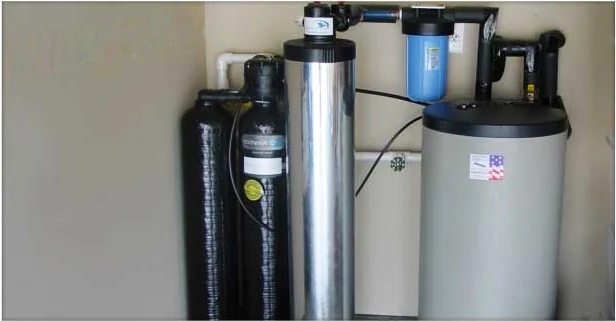
A softener on a private well is not the same as one on city water. Well water can carry hardness, iron, manganese, low pH, and sediment. A softener only handles part of that list. Choosing the right setup starts with knowing what is actually in the water, then matching equipment to the results instead of guessing from the stains on the fixtures.
This guide walks through how softeners work, what to test for first, how sizing is done, and the signs that a well needs more than a softener. If you are on a well in Annapolis or nearby and are tired of scale, spotty glassware, or orange stains, this is the order of operations that leads to a system that works.
How a Water Softener Works
A standard softener is a tank of resin beads. The beads hold sodium or potassium. As hard water flows through, calcium and magnesium stick to the beads. The sodium or potassium goes into the water instead. Over time the resin fills with hardness minerals and needs to be cleaned.
That cleaning is called regeneration. A brine tank next to the softener holds salt. During regeneration, the control valve draws salty water through the resin, which pushes the hardness minerals off the beads and sends them down the drain. The resin is then rinsed and put back into service.
Modern control valves are usually metered. They count how many gallons have passed through and regenerate only when the resin is close to full. Older timer valves run on a fixed schedule. They regenerate even if the house used little water. That wastes salt and water.
Test the Well Before Choosing Equipment
The most useful step is a water test. A softener sized by guesswork may be too small. Or iron that nobody measured may clog it within months.
A good well water test for softener planning should include:
- Hardness, in grains per gallon or milligrams per liter
- Iron, both total iron and whether it is dissolved or already rusty
- Manganese, which leaves black or brown stains
- pH, since acidic water can corrode copper pipe and fixtures
- Total dissolved solids and sediment
- Bacteria, which matters for any well regardless of softening
The EPA's private well guidance recommends testing a private well regularly, and the Maryland Department of the Environment water supply program is a useful reference for well owners in the state. Heidler Plumbing offers water testing and treatment so the results and the equipment recommendation come from the same visit.
Sizing a Softener for a Well
Softener capacity is rated in grains. To size one, multiply the hardness by the household's daily water use, then add a margin for iron, since iron uses up resin capacity faster than calcium does.
For example, a household using 300 gallons a day with water at 10 grains per gallon needs about 3,000 grains of removal per day. A softener sized to regenerate every several days needs enough capacity to cover that span plus a reserve. Undersized units regenerate constantly, wear out sooner, and let hard water slip through during heavy use.
Flow rate matters too. A unit that is big enough on capacity can still cause a pressure drop if the valve and tank are too small for the house. A home with several bathrooms running at once needs a valve that can pass that flow without the shower going weak.
When a Softener Is Not Enough
Here is a common story. A family puts in a softener. For a few months the water feels great. Then orange rings come back in the toilet bowls. The salt still goes down, but the water feels hard again. The softener is not broken. Iron has coated the resin beads.
Softeners handle small amounts of dissolved iron. Higher iron levels, iron that has already oxidized, and manganese often call for a dedicated filter ahead of the softener. Without one, iron coats the resin, the softener loses capacity, and stains come back.
Low pH is another common well issue. Acidic water leaves blue green stains near copper fittings. Over time it thins the pipe walls. A softener does not raise pH. A neutralizing filter, placed before the softener, can bring the water closer to neutral and protect the plumbing.
Sediment from the well can clog the resin bed and the control valve. A simple sediment filter at the start of the treatment train protects everything after it.
So a typical well setup may look like this, in order: sediment filter, neutralizer or iron filter if the test calls for it, then the softener, and finally any drinking water filtration at the kitchen sink. The EPA's home drinking water filtration fact sheet explains what different filter types can and cannot remove.
Installation Details That Matter
A softener install on a well should include:
- A bypass valve, so the system can be serviced without shutting off water to the house
- A proper drain connection with an air gap for the regeneration discharge
- Placement where the brine tank is easy to refill with salt
- Leaving outdoor hose bibs on unsoftened water when practical, since lawns and gardens do not need it
- Programming the valve with the measured hardness and iron, not a default setting
The Water Quality Association publishes product certification information that can help when comparing equipment.
Maintenance After Installation
Softeners need very little day to day attention, but a few habits extend their life:
- Check the salt level monthly and keep the brine tank at least a quarter full
- Break up any salt bridge, which is a hard crust that forms above the water and stops brine from forming
- Use a resin cleaner periodically if the well has iron
- Retest the water every year or two, or sooner if taste, odor, or staining changes
If the water starts to feel hard again, the cause is often simple: empty salt, a salt bridge, a stuck valve, or a setting that no longer matches the water.
Signs Your Current Softener Needs Service
- Scale returning on faucets and shower glass
- Orange or brown stains reappearing in toilets and tubs
- Salt level that never goes down, which means the unit is not regenerating
- Water pressure that dropped after installation
- Salty tasting water after regeneration
Getting the Right System for Your Well
The best well water softener is the one sized and configured for your actual test results. Heidler Plumbing installs and services water softeners for well and city water homes in Annapolis and across Anne Arundel County. To start with a water test and a clear recommendation, schedule an appointment or call (410) 268-7191.
Keep reading
Related plumbing advice
Plumbing Advice
Carbon Monoxide and Gas Appliances in Annapolis, MD: Why Backdrafting Happens
Read articlePlumbing Advice
What to Gather Before Scheduling Plumbing Service in Annapolis
Read articlePlumbing Advice