Plumbing Advice
Backflow Preventer Testing in Severna Park, MD
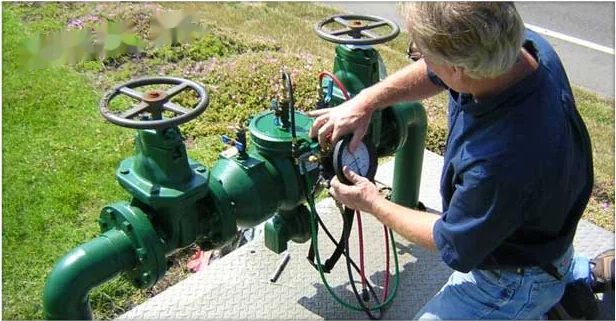
A backflow preventer is a valve assembly that keeps water from flowing the wrong way, from a building's plumbing back into the public water supply. It sits quietly on the line for years, and the only way to know it still works is to test it. For homes with irrigation systems and for many commercial properties in Severna Park, that test is a routine part of keeping the water supply safe and staying in good standing with the water provider.
Here is a typical case. A letter arrives from the water provider. It says the irrigation backflow preventer is due for testing. The homeowner walks out to the side of the house and finds a green brass valve near the foundation. It has two small handles and a few tiny caps. They are not sure when it was last checked. That device is what needs backflow preventer testing.
This guide covers what backflow is, which devices need testing, what happens during a test, the most common reasons a device fails, and what to expect if repairs are needed.
What Backflow Is and Why It Matters
Water in a supply line moves one way. It flows from the main toward the fixtures. Backflow happens when that flow reverses. There are two ways it can occur.
Back siphonage happens when pressure in the supply line drops, for example during a water main break or heavy firefighting demand. The low pressure can pull water backward out of a building's plumbing.
Back pressure happens when pressure inside the building's system rises above the supply pressure, such as from a pump, a boiler, or an elevated tank.
Either way, dirty water can be pulled into drinking water. That might be water mixed with fertilizer, lawn chemicals, or boiler treatment. A cross connection is any point where that could happen, and a backflow preventer is the device that blocks it.
Which Properties Need Testing
Testable backflow assemblies are common on:
- Lawn irrigation systems, one of the most frequent residential cross connections
- Fire sprinkler systems in commercial buildings
- Boilers and hydronic heating systems with chemical treatment
- Commercial kitchens, medical and dental offices, car washes, and other businesses with process water
- Pools and fill lines in some setups
Water providers commonly require testable assemblies to be inspected when installed and on a regular schedule after that, often once a year. If you have received a test notice, it will list the device and the due date.
Types of Backflow Preventers
The type of device determines how it is tested:
- Pressure vacuum breaker (PVB): common on irrigation systems, installed above the highest sprinkler head
- Double check valve assembly (DCVA): two independent check valves, used for lower hazard connections
- Reduced pressure zone assembly (RPZ): two check valves with a relief valve between them, used for higher hazard connections
Each has test cocks and shutoff valves so a certified tester can isolate and check it without removing it from the line. Testers generally follow procedures set by organizations such as the American Society of Sanitary Engineering, which also certifies backflow testers.
What Happens During a Test
A test usually takes less than an hour per device. The tester:
- Notes the device make, model, size, and serial number
- Closes the downstream shutoff so water is not flowing through the device
- Connects a calibrated differential pressure gauge to the test cocks
- Checks each check valve to confirm it holds tight at the required pressure difference
- On an RPZ, confirms the relief valve opens at the correct point
- Reopens the valves and returns the system to service
- Records the results and submits the report to the water provider when required
Water service may be off for a few minutes during the test, so plan around irrigation run times or business hours.
Common Reasons a Device Fails
Backflow assemblies are mechanical. The parts inside wear out. The most frequent causes of a failed test are:
- Debris on a check valve seat, such as sand or scale that keeps the valve from sealing
- Worn rubber parts, including check valve discs, diaphragms, and O rings
- Weak or broken springs inside a check valve
- Freeze damage on outdoor devices that were not drained before winter
- A relief valve that discharges constantly on an RPZ, usually a sign the first check is not sealing
Many failures can be fixed with a rebuild kit rather than a whole new assembly. After a repair, the device is retested to confirm it passes before the report is filed.
Protecting Outdoor Devices Before Winter
October is a good time to schedule irrigation backflow testing, because it can be combined with winterizing. An irrigation PVB left full of water can crack when temperatures drop below freezing. Shutting off the irrigation supply, opening the test cocks, and draining the device helps avoid a spring replacement. An insulated cover adds another layer of protection for devices that stay in service.
Testing in Nearby Communities
The same testing and repair process applies throughout the area, including Glen Burnie, Pasadena, Arnold, and Annapolis. The Maryland Department of the Environment water supply program offers background on public water system protection, and the EPA's WaterSense program has guidance on efficient irrigation that pairs well with a properly working system.
Schedule Backflow Preventer Testing
If a test notice arrived, or you are not sure when your device was last checked, Heidler Plumbing provides backflow testing and certification for homes and businesses in Severna Park and throughout Anne Arundel County. Schedule an appointment or call (410) 268-7191 to get the test on the calendar.
Keep reading
Related plumbing advice
Plumbing Advice
Carbon Monoxide and Gas Appliances in Annapolis, MD: Why Backdrafting Happens
Read articlePlumbing Advice
What to Gather Before Scheduling Plumbing Service in Annapolis
Read articlePlumbing Advice